How to Run a Bin Store: Pricing and Restock Cycles
Bin stores turned liquidation into a retail format, and the model is beautifully simple. Here’s how to run a bin store that actually turns inventory.
The tiered pricing model
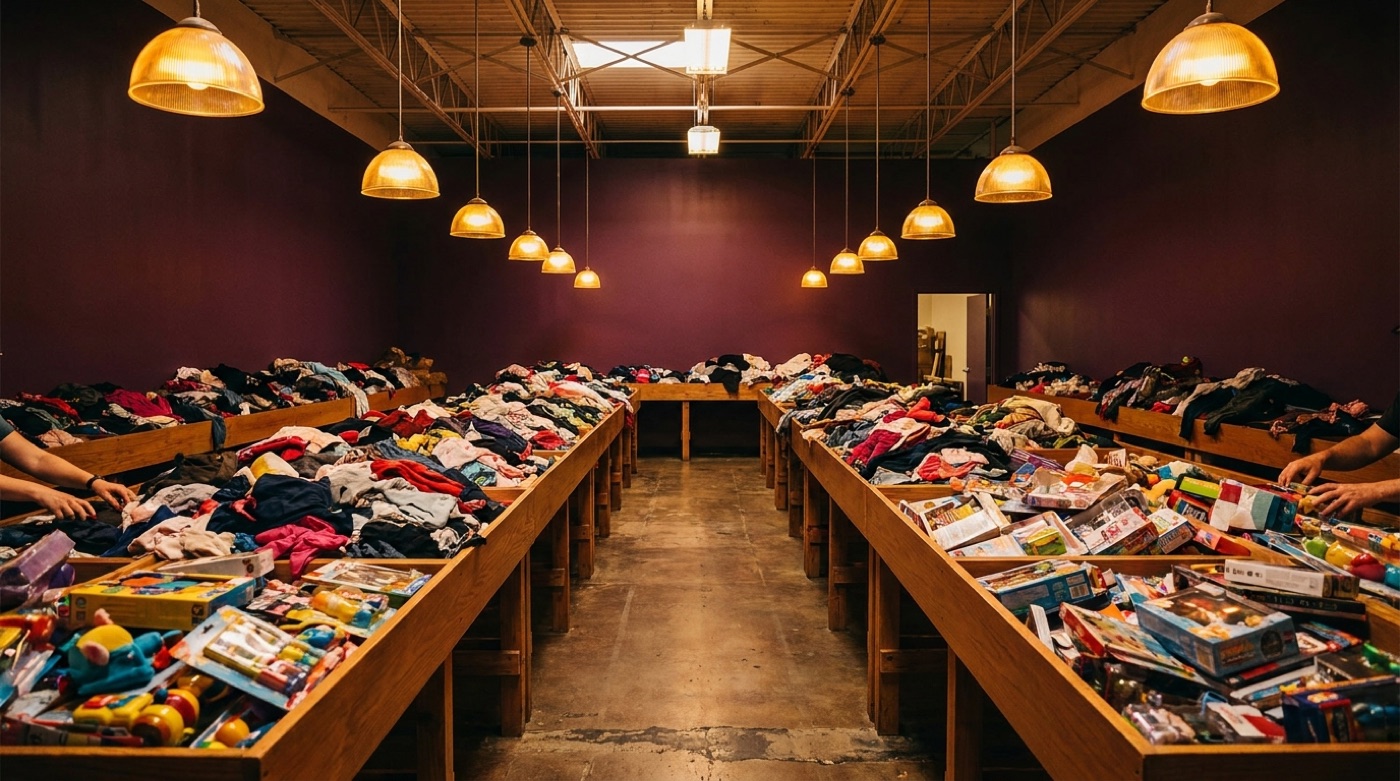
Everything in the bins costs the same price on a given day, and that price drops through the week — for example $7 on restock day, falling a dollar or two daily to $1 by the end. Shoppers come early for the best selection and late for the deals. It creates urgency without any fake countdowns.
What to buy
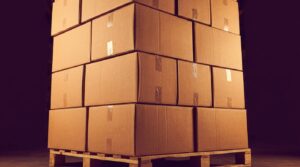
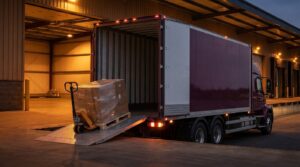
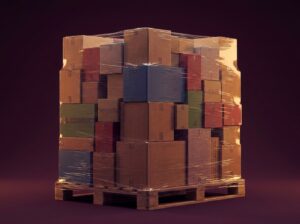
Bin stores run on volume, so general-merchandise and Amazon returns pallets — especially unmanifested ones — are ideal. You want high piece counts at a low cost per item, not high-value lots you’d list individually. Truckloads keep a busy store fed at the lowest per-unit cost.
Restock cycles
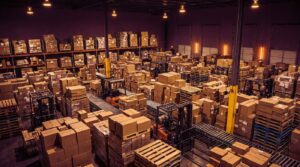
Pick one or two restock days a week and market them hard — that’s your traffic engine. Break down fresh pallets the night before, fill the bins, and reset the price to the top tier. Consistency trains customers to show up on your schedule.
How the math works
A pallet bought cheap, priced flat and sold fast beats slow high-margin listing when your goal is turnover. Even $1 items profit when your cost basis per piece is a few cents. The skill is buying the right pallets and keeping the bins full.
Ready to stock your first restock? Start with a couple of general-merchandise pallets and scale to truckloads as your traffic grows.
Add comment